Introduction: Making Your Mark in a Crowded Exhibition Hall
A bustling trade show floor is an incredible opportunity. It’s also incredibly competitive. At a major event like CES, you could be competing for attention against more than 4,100 other exhibitors.
In that sea of banners and booths, simply showing up isn’t enough.
Cutting through the noise requires more than just a table and a smile; it demands a strategic, cohesive set of marketing materials designed to grab attention and start conversations.
This guide provides actionable ideas and a comprehensive checklist to help you plan and execute a trade show presence that makes a lasting impression.
TL;DR: Your Trade Show Marketing Blueprint
- Set clear goals, define your audience, and establish a firm budget before the event.
- Invest in high-impact booth displays like backdrops and banners to attract attendees.
- Select memorable giveaways that provide genuine value and keep your brand top-of-mind.
- Execute a timely post-show follow-up plan to convert promising leads into customers.
Start Before You Arrive: Pre-Show Planning and Promotion
Your trade show success is determined long before you set foot in the exhibition hall. A solid pre-show strategy ensures every dollar you spend and every material you create serves a specific purpose.
Set clear objectives first. Before you design a single banner, you need to know what you want to achieve. Vague goals like "get our name out there" won't cut it. Instead, set specific, measurable objectives that will guide every decision you make.
Examples of strong goals include:
- Generate 50 qualified leads for the sales team.
- Book 10 in-person product demos.
- Secure meetings with three target accounts.
- Increase brand awareness among engineers in the aerospace sector.
These goals dictate your messaging, the design of your booth, and even the type of swag you order.
Next, know your audience and your message. Research who will be walking the aisles to tailor your messaging. Are they C-suite executives, engineers, or procurement managers? Each audience has different pain points and priorities.
Once you know who you're talking to, craft a single, clear value proposition you can communicate in five seconds—your "elevator pitch" for the booth. For example: "We help manufacturers reduce downtime by predicting machine failures." This simple, benefit-driven message should be the foundation of your booth graphics and talking points.
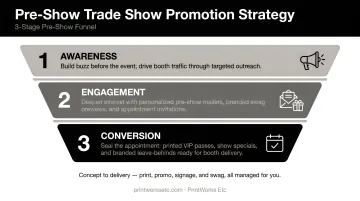
Finally, build buzz before the doors open. Start your marketing campaign weeks before the event. A little pre-show promotion helps ensure a steady stream of visitors to your booth.
- Email Marketing: Send targeted invitations to key prospects and customers, letting them know your booth number and offering a reason to stop by (like a special demo or a premium giveaway).
- Social Media: Use the event's official hashtag to share sneak peeks of your booth design, announce giveaways, and schedule meetings. This builds anticipation and puts you on attendees' radar.
- Website & Blog: Announce your attendance with a blog post or a dedicated landing page. Include your booth number, a preview of what you'll be showcasing, and a form to schedule a meeting.
Essential Trade Show Booth Displays That Command Attention
Your booth is your brand's physical storefront for the duration of the show. It’s the first thing attendees see, and it needs to be visually compelling enough to pull them in from a crowded aisle.
The Backdrop: Your Booth's Centerpiece
A professional, high-quality backdrop is the visual anchor of your space. It’s not the place to cram every feature and benefit. Instead, follow these design best practices:
- Use bold, high-contrast graphics that align with your brand.
- Feature a clear, concise headline that communicates your core value proposition.
- Keep text minimal. Any text on your backdrop should be readable from at least 10 feet away. As a rule of thumb, use letters at least one inch tall for every 10 feet of viewing distance.
- Leave plenty of negative space. A cluttered design is hard to read and looks unprofessional. Aim for a 40/60 split between copy/graphics and empty space.
Banners and Signage: Your Navigational Tools
Retractable banners, hanging signs, and other vertical displays are perfect for using vertical space and catching eyes from across the hall. Use them to highlight specific products, announce a show-special promotion, or list key benefits. They act as navigational cues, drawing attendees deeper into your booth.
The Table Throw: Polishing Your Presentation
Nothing says "unprepared" like a bare, generic table. A custom-branded table throw or fitted cover is a cost-effective addition that instantly makes your booth look more professional. It ties your branding together and conveniently hides any extra supplies you’ve stashed underneath.
Integrating Digital Displays
A monitor or tablet running a short video loop is a powerful engagement tool that adds a modern touch. A silent, 30-60 second video is ideal for showcasing a product demo, cycling through customer testimonials, or explaining your service. Since trade show floors are loud, design for sound-off viewing and always include subtitles so your message gets across.
Beyond the Booth: Handouts and Giveaways That Leave an Impression
What attendees take with them is just as important as what they see at your booth. These materials continue the conversation long after the show ends, keeping your brand visible on their desk or in their bag.
Print Collateral That Informs and Impresses
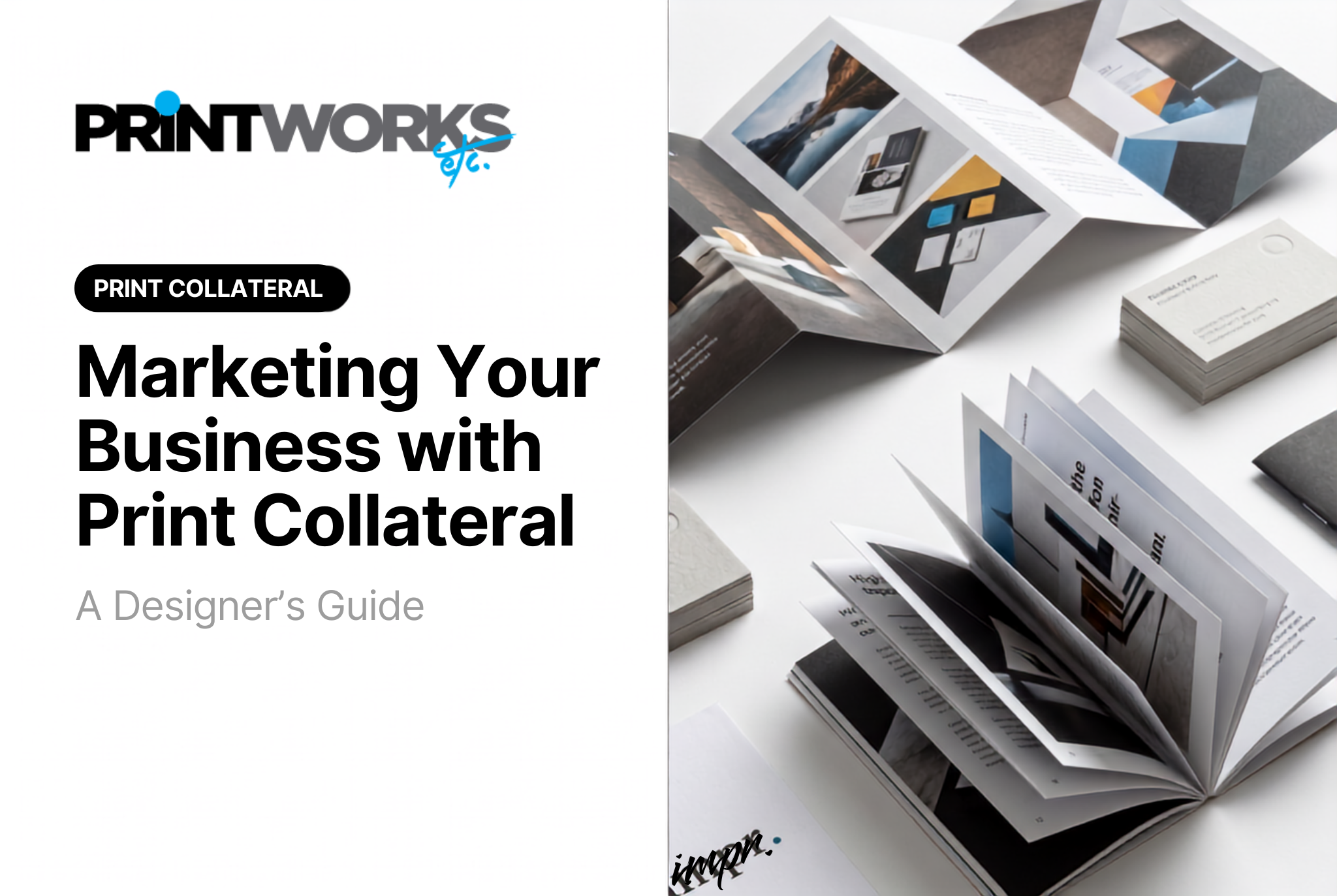
While you don't want to weigh people down, a few key pieces of print collateral are essential for communicating detailed information.
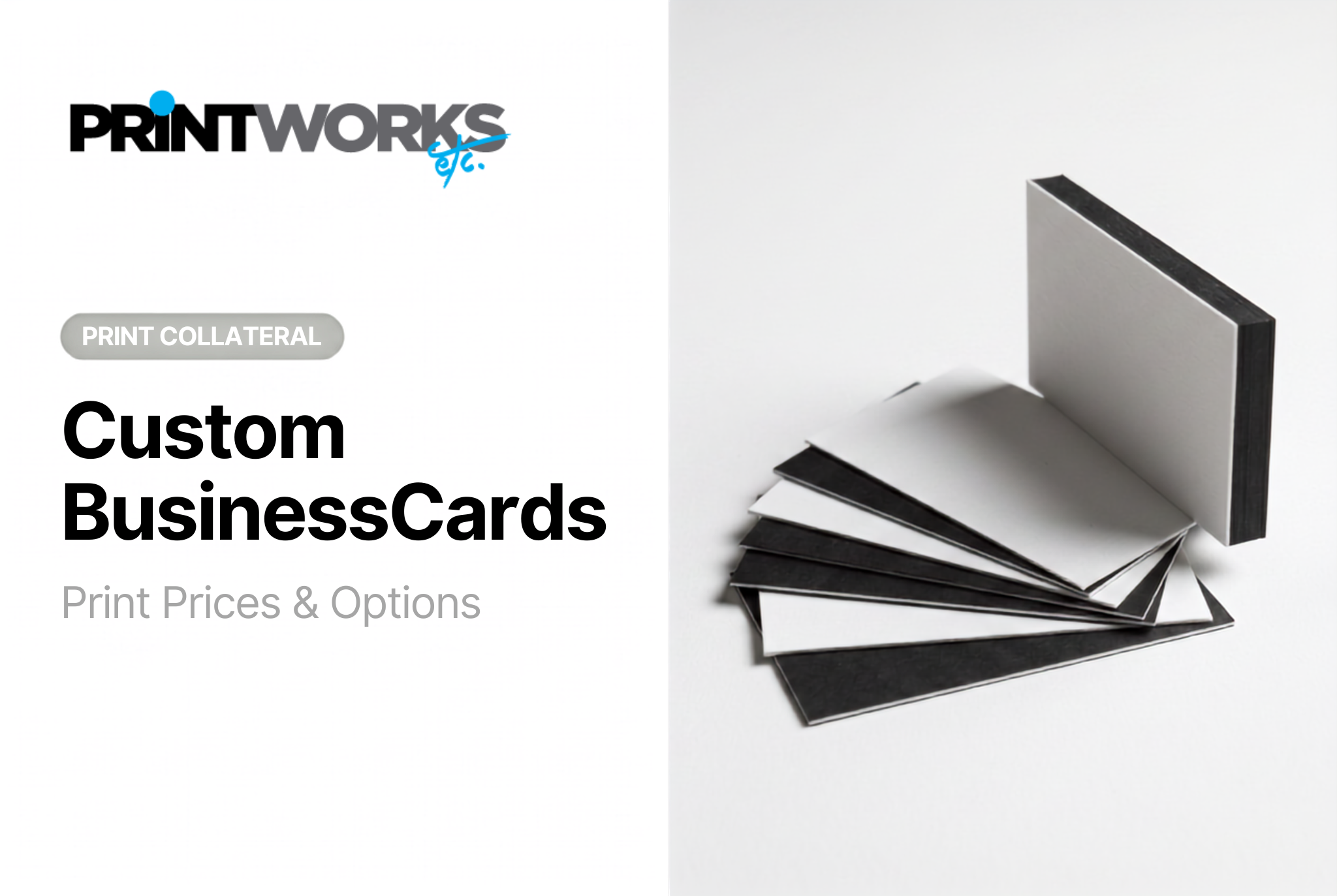
- Business Cards: A classic for a reason. Invest in high-quality card stock and a clean design. Consider adding a QR code on the back that links directly to your LinkedIn profile, a product page, or your online portfolio.
- Brochures or One-Pagers: Don't hand out a novel. Create a focused, single-page handout that highlights the benefits of your solution, not just the features. Make sure it includes a clear call-to-action and contact information.
Choosing Promotional Giveaways (Swag) with Purpose
The best swag is useful. According to a PPAI consumer study, 78% of people keep promotional items because they're functional. Good giveaways should be relevant to your audience and align with your brand identity.
A tech company might offer a branded power bank, while a wellness brand could give away travel-sized hand sanitizer. The key is choosing something people will actually use, keeping your logo in their line of sight.
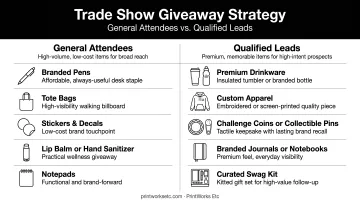
The Tiered Giveaway Strategy
Not all booth visitors are created equal. A tiered giveaway strategy helps you manage your budget while rewarding your most promising prospects.
- Tier 1 (General Traffic): These are low-cost, accessible items like high-quality pens, stickers, or small notebooks. Anyone who stops by can take one.
- Tier 2 (Qualified Leads): Reserve your higher-value items—like t-shirts, premium water bottles, or tech gadgets—for visitors who sit through a demo, ask detailed questions, or have a meaningful conversation with your team.
Ensuring Quality and Cohesion with a Print Partner
Creating a suite of materials where the backdrop, brochures, and giveaways all share a consistent, high-quality design is key to building a strong brand impression. This can be challenging when you're sourcing items from different factories.
This is where a boutique partner like PrintWorks Etc excels. Instead of juggling multiple vendors, a high-touch project management service acts as your single point of contact to handle key details like:
- Vendor sourcing and sample coordination
- Complex color matching for brand consistency
- Logistics and on-time delivery
This approach ensures every piece is on-brand and on-budget, letting you focus on your event strategy—not on chasing shipments.
The Ultimate Trade Show Marketing Checklist
Use this timeline to keep your planning organized and on track.
3-6 Months Before the Show
- Define your goals and establish a firm budget.
- Book your booth space and confirm logistics like power and internet access.
- Begin the concept and design process for your booth backdrop and major visuals.
- Start sourcing and getting quotes for your Tier 2 (premium) giveaways.
1-2 Months Before the Show
- Finalize all artwork for print materials (brochures, one-pagers, business cards).
- Place orders for all promotional items, swag, and any staff apparel.
- Plan and schedule your pre-show marketing campaign (emails, social media posts).
1-2 Weeks Before the Show
- Confirm shipping and delivery dates for all materials to the venue or advanced warehouse.
- Prepare and test your lead capture system (app, scanner, or forms).
- Brief your entire booth staff on goals, key messaging, demo points, and individual roles.
During the Show
- Keep the booth clean, organized, and restocked with materials.
- Proactively engage with visitors, ask qualifying questions, and scan badges.
- Take detailed notes on conversations for personalized follow-up.
After the Show
- Follow up with all leads within 3-5 business days.
- Send a "thank you" email to everyone who visited your booth.
- Analyze your captured leads and calculate the event's return on investment (ROI).
This checklist covers the key milestones for a successful trade show. To ensure your print materials, booth graphics, and promotional items are high-quality and delivered on time, consider partnering with a project management expert like PrintWorks Etc. We handle the production logistics so you can focus on making connections.
Beyond the Show Floor: Post-Event Follow-Up That Converts
The most critical work begins the moment the trade show ends. All the effort you put into planning and exhibiting is wasted without a fast, organized follow-up strategy.
Organize and Prioritize Your Leads
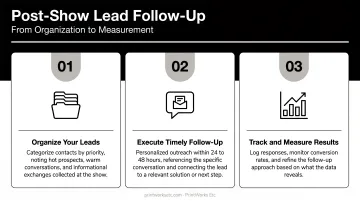
Don't let your leads go cold. Within 24 hours of the show's end, gather all your scanned badges and notes and import them into your CRM. Categorize each lead (e.g., Hot, Warm, Cold) based on the conversations you had. A "Hot" lead might be someone who requested a quote, while a "Cold" lead may have just stopped by for the free pen.
Personalize Your Outreach
Speed is everything. A Harvard Business Review study found that companies contacting a prospect within an hour of an inquiry were nearly seven times more likely to qualify the lead than those who waited even one more hour.
Send your follow-up emails within 24-48 hours. Most importantly, personalize your message. Reference the specific conversation you had at the booth.
Mentioning a detail they shared shows you were listening and helps you stand out from the dozens of other generic follow-ups they'll receive. A targeted direct mail piece or a small branded gift can make an even bigger impact.
Measure Your Success
After your initial outreach, it’s time to measure your results. By tracking performance against your pre-show objectives, you can accurately calculate your return on investment.
Key metrics to review include:
- Cost Per Lead (CPL): Total trade show investment / Number of leads collected.
- Conversion Rate: (Leads that become customers / Total leads) x 100.
- Total ROI: (Sales revenue from event - Total investment) / Total investment.
Analyzing this data will help you justify the budget and make smarter decisions for your next event.
Frequently Asked Questions
What are the most effective marketing materials for a trade show?
The most effective materials include a professional booth display (backdrop, banners), informative print collateral (one-pagers, business cards), and useful promotional giveaways that your audience will actually keep.
How do you make a trade show booth stand out on a budget?
Focus on a single, clear message with clean design and good lighting. It's better to invest in one high-quality visual element, like a fabric backdrop, than to spread your budget across many cheap, cluttered items.
What are good giveaway ideas for a trade show?
Choose items that are practical and relevant to your audience. Power banks, reusable water bottles, high-quality pens, notebooks, and tote bags are consistently popular because they are genuinely useful.
How do you attract visitors to your trade show booth?
Combine pre-show promotion to your contacts with an eye-catching booth that has a clear value proposition. An interactive element, like a product demo, and proactive staff are also key to engaging attendees.
What is the most important thing to do after a trade show?
Prompt and personalized follow-up is the most crucial step. Contacting the leads you collected within 24-48 hours with a message that references your conversation is key to converting those interactions into actual business.
How far in advance should you plan for a trade show?
Major planning should begin at least 3-6 months in advance. This allows enough time for booth design, material production, and ordering giveaways without incurring rush fees or risking delays.