The truth is, branded merchandise isn't an expense; it's a strategic marketing investment. When done right, it builds brand affinity, sparks conversations, and keeps you top-of-mind long after a digital ad has been forgotten. This guide will walk you through how to develop and execute a merchandise strategy that delivers a real return.
Key Takeaways
- A successful merchandise plan starts with clear goals (brand awareness, customer loyalty) before you even think about products.
- The best items are high-quality, genuinely useful to your audience, and creatively designed to reflect your brand’s personality.
- Your distribution strategy is just as important as the item itself—plan for trade shows, client gifts, or social media contests.
- Avoid common mistakes like choosing cheap items, just slapping a huge logo on everything, or giving products to the wrong audience.
- Measure success by tracking brand mentions, website traffic from QR codes, or getting direct feedback from recipients.
How to Launch a Branded Merchandise Campaign in 5 Steps
A successful merchandise campaign is built on a clear strategy. Follow these five steps to turn a simple product into a powerful marketing tool.
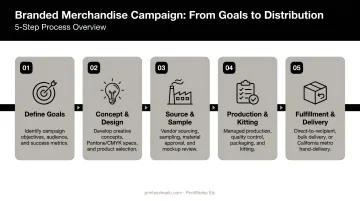
Step 1: Define Your Goals and Budget
Before you start browsing for products, define what you want to achieve. Are you trying to:
- Increase brand awareness at an upcoming trade show?
- Thank your most loyal customers to encourage repeat business?
- Generate new leads for your sales team?
- Welcome new employees and build team culture?
Your goal will shape every other decision. Once you have a clear objective, set a realistic budget that includes the cost per item, minimum order quantities (MOQs), and any setup fees.
If you're just starting, it's wise to begin with a small, targeted campaign. You can always scale up as you see results.
Step 2: Identify Your Target Audience
Who is this merchandise for? The answer determines whether a product will be a hit or a miss. You wouldn't give the same item to tech-savvy professionals as you would to outdoor enthusiasts or local families.
Think about their lifestyle, needs, and interests. For example, a portable power bank is incredibly valuable at a tech conference, while a durable, reusable tote bag is perfect for shoppers at a local farmers' market. The more you know about your audience, the easier it is to choose an item they'll actually use and appreciate.
Step 3: Choose Products That Provide Value
The most effective promotional items blend quality, utility, and brand alignment. Usefulness is the number one reason consumers keep a promotional product, according to research from PPAI.
Think about products that solve a small problem or fit seamlessly into your audience's daily routine. While every business is different, some categories consistently perform well.
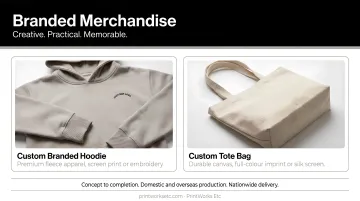
- Apparel: Well-designed t-shirts, hoodies, and hats are walking billboards for your brand. In fact, wearables make up over 26% of all promotional product sales.
- Office & Tech: High-quality notebooks, wireless chargers, and durable water bottles are used daily, keeping your brand visible.
- Lifestyle: Items like tote bags, coffee mugs, and blankets integrate your brand into your customers' home life.
The key is to match the product's quality to your brand's reputation. A company like John Deere, known for durability, offers co-branded Carhartt jackets—a perfect alignment of brand values.
Step 4: Create a Standout, On-Brand Design
Great merchandise design is more than just putting your logo on a product. It should be a creative and memorable extension of your brand's personality.
Use your brand's colors and fonts, but also consider a clever tagline or unique graphic. These details can make an item feel more like a retail product than a giveaway.
Always use high-resolution vector files (like AI, EPS, or SVG) for your logo and artwork to ensure a crisp, professional finish.
For small businesses without an in-house designer, this can feel like a major hurdle. Partnering with a full-service promotional firm provides access to the creative expertise you need.
A good partner helps adapt your brand identity for different products and manages prepress details. At PrintWorks Etc, our team ensures your design is compelling and production-ready.
Step 5: Plan Your Distribution and Promotion Strategy
How you get your merchandise into people's hands is just as important as the item itself. A great product with no distribution plan is a wasted investment.
Consider these effective channels for your small business:
- Events & Trade Shows: Use merchandise as a giveaway to attract visitors to your booth and start conversations.
- Client & Employee Gifting: Show appreciation to loyal customers or welcome new hires with a thoughtful gift. This builds loyalty and fosters a positive culture.
- Sales & Marketing Campaigns: Offer an item as a "thank you" for booking a demo, a prize in a social media contest, or a gift with purchase to drive sales.
- Direct Mail: Send a small, high-value item directly to a list of top prospects to cut through the digital clutter and make a memorable impression.
When to Use Branded Merchandise for Your Small Business
Branded merchandise is most effective when tied to specific business goals, turning a simple giveaway into a powerful marketing tool.
Consider using promotional products during key moments to:
- Generate leads and start conversations at trade shows, conferences, or networking events.
- Build customer loyalty with holiday gifts, milestone celebrations, or simple thank-you items.
- Foster company culture and team pride with employee welcome kits, anniversary gifts, or team apparel.
- Create buzz for a new product launch, grand opening, or major brand announcement.
What You Need Before You Start
A little preparation goes a long way in ensuring your merchandise campaign runs smoothly and effectively. Before you place an order, make sure you have these key assets ready.
- A Clear Brand Guide: Have your official logos, color palettes (with Pantone or CMYK values), and fonts finalized. Consistency is crucial for brand recognition.
- High-Resolution Artwork: Your logo and any other design elements should be in a vector format (AI, EPS, or SVG). These files can be scaled to any size without losing quality, which is essential for clean printing on everything from a small pen to a large banner.
- An Expert Partner: Juggling suppliers, quality control, and logistics is complex. An experienced partner simplifies the entire process. At PrintWorks Etc, we manage projects from concept to completion, acting as your single point of contact so you can focus on your business.
Key Factors For a High-ROI Merchandise Strategy
Turning branded merchandise into a high-return investment isn't about luck—it's about strategy. To get the best return on your investment, focus on these three factors.
Quality Over Quantity
A single, high-quality item that gets used every day provides far more brand exposure than 100 cheap pens that end up in the trash. According to a 2023 study from the Advertising Specialty Institute (ASI), high-quality outerwear is kept for at least two years and generates over 7,800 impressions in its lifetime. A premium item reflects the quality of your brand and earns a long-term place in your customer's life.
Practicality and Perceived Value
The most successful merchandise is genuinely useful. It solves a problem, makes life a little easier, or is simply enjoyable to use. A portable charger at a long conference is a lifesaver; a branded blanket for an outdoor event is a welcome comfort.
Your merchandise should also align with your brand's identity. Taco Bell's quirky, fan-focused apparel collaborations, for example, perfectly capture their brand's fun and youthful personality, turning customers into walking brand ambassadors.
Measuring Your Campaign's Success
While it can be tricky to track the ROI of every single item, there are simple ways to measure the impact of your merchandise.
- Add a QR code to the item or its packaging that links to a special landing page on your website. You can then track how many visits that page receives.
- Monitor social media mentions of your brand or photos of people using your merchandise. You can even run a contest encouraging people to share.
- Simply ask new customers how they heard about you. You might be surprised how often a gifted t-shirt or hat played a role.
A thoughtful strategy is what turns branded products into a powerful marketing tool. By defining your goals, understanding your audience, and focusing on quality, you can build lasting brand affinity and turn customers into advocates.
Frequently Asked Questions
Is custom merch profitable?
Yes, it can be highly profitable when viewed as a marketing investment. Its value comes from long-term brand exposure and fostering customer loyalty, which drives repeat business and referrals far more effectively than short-lived digital ads.
What are the 4 types of merchandise?
Four of the most common categories are Apparel (t-shirts, hats), Drinkware (mugs, water bottles), Tech Accessories (chargers, phone grips), and Office & Stationery (notebooks, high-quality pens).
How do I choose the right merchandise for my business?
Consider three things: your audience's lifestyle and needs, the item's practical utility, and how well it represents your brand's quality and values. A useful, high-quality item that fits your customer's life is always a winner.
What is a good budget for promotional products?
There's no single answer. Start with a targeted campaign, like for your top 20 clients, and measure its cost-per-impression against other marketing channels. This provides a data-driven baseline for future budgets.
How do I handle the design for my branded merchandise?
If you don't have an in-house designer, partner with a freelancer or a full-service agency like PrintWorks Etc. Professionals ensure your artwork is correctly formatted for production, resulting in a high-quality final product.
How can I measure the ROI of my promotional products?
Track ROI by adding unique QR codes or URLs to your items that lead to a specific landing page. You can also run social media contests involving the merch or simply ask new customers how they found you.